
If you’re a proud owner of a Mitsubishi Lancer Cedia 9 from 2000 to 2007, you know that this car is more than just a mode of transportation—it’s a reliable companion that has seen you through countless journeys. However, like any vehicle, it requires regular maintenance and occasional repairs to keep it running smoothly. The good news is that many of these tasks can be done by yourself, saving you time and money. In this article, we’ll explore some essential DIY maintenance and repair tips for your Mitsubishi Lancer Cedia 9.

Understanding Your Mitsubishi Lancer Cedia 9
Before diving into maintenance and repair, it’s essential to understand the basics of your vehicle. The Mitsubishi Lancer Cedia 9 is known for its durability and performance, making it a popular choice among car enthusiasts.
With a range of engines and configurations, this car offers a blend of efficiency and power. Familiarizing yourself with your vehicle’s specifications, including engine type, transmission, and features, will make it easier to diagnose issues and perform maintenance.
Regular Maintenance Tasks
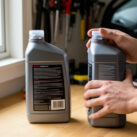
- Oil Changes: Regular oil changes are crucial for keeping your engine healthy.
For the Lancer Cedia 9, it’s recommended to change the oil every 5,000 to 7,500 kilometers, depending on driving conditions. To do this yourself, gather the necessary tools: an oil filter wrench, a socket set, and a drain pan. First, warm up the engine to thin the oil, then drain the old oil and replace the oil filter before adding fresh oil.
- Air Filter Replacement: A clean air filter ensures optimal engine performance and fuel efficiency. Check your air filter every 15,000 kilometers and replace it if it appears dirty. This task is straightforward: locate the air filter housing, remove the old filter, and install the new one.
- Brake Inspection: Regularly inspecting your brakes is vital for safety. Check the brake pads and rotors for wear every 10,000 kilometers. If you notice squeaking or grinding noises, it may be time to replace the pads. This involves removing the wheel, unbolting the caliper, and replacing the pads—an accessible task for most DIYers.
- Tire Maintenance: Keeping your tires in good condition is essential for safety and fuel efficiency. Check tire pressure monthly and rotate your tires every 10,000 kilometers. If you notice uneven wear, it might be time for an alignment. You can also replace tires yourself if you have a jack and tire iron.
- Fluid Checks: Regularly check all fluid levels, including coolant, brake fluid, transmission fluid, and power steering fluid. Top off any fluids as needed, and consider flushing and replacing them according to your owner’s manual recommendations.
Common Repairs You Can Handle
- Replacing Spark Plugs: If your car is experiencing rough idling or decreased fuel efficiency, it might be time to replace the spark plugs.
This is a relatively simple task that involves removing the ignition coils and unscrewing the old plugs before installing new ones.
- Changing the Battery: If your car struggles to start, it might be a sign that your battery is dying. Replacing the battery is a straightforward process—just disconnect the old battery, remove it, and install the new one, making sure to connect the terminals properly.
- Fixing Minor Electrical Issues: If you encounter issues with your lights or dashboard indicators, it may be due to a blown fuse.
Locate the fuse box, identify the faulty fuse, and replace it with a new one of the same amperage.
- Replacing Wiper Blades: Good visibility is crucial for safe driving. If your wipers are streaking or skipping, it’s time for a replacement.
This is usually a quick task that involves lifting the wiper arm and sliding off the old blade before attaching the new one.
Resources and Tools
Investing in a good set of tools is essential for any DIY mechanic. Basic tools you’ll need include wrenches, sockets, screwdrivers, pliers, and a jack.
Additionally, consider purchasing a repair manual specific to the Mitsubishi Lancer Cedia 9, which will provide you with detailed instructions and specifications for various maintenance tasks.
Conclusion
Maintaining and repairing your Mitsubishi Lancer Cedia 9 doesn’t have to be a daunting task. With a little knowledge, the right tools, and a willingness to learn, you can tackle many of these jobs yourself.
Not only will this save you money, but it will also give you a deeper understanding of your vehicle and a sense of accomplishment. So roll up your sleeves, grab your tools, and give your Lancer Cedia the care it deserves! Happy wrenching!