
The Range Rover 3, known for its luxurious design and off-road capabilities, is a remarkable vehicle that offers both comfort and performance. However, like any automobile, it requires regular maintenance and occasional repairs to ensure that it continues to function optimally. This article aims to provide a detailed overview of essential maintenance tasks and repair strategies that can be executed by vehicle owners themselves, thereby enhancing their understanding of the vehicle and potentially reducing service costs.

Understanding the Range Rover 3
Before delving into maintenance and repair procedures, it is crucial to familiarize oneself with the Range Rover 3, which was produced between 2002 and 2012. This model is equipped with a variety of engine options, including petrol and diesel variants, and features advanced technology that enhances both comfort and performance.
Understanding the specifications and systems of your vehicle will aid in identifying issues and performing effective maintenance.
Routine Maintenance Tasks
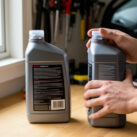
- Engine Oil and Filter Change: Regular oil changes are fundamental to maintaining engine health. For the Range Rover 3, it is advisable to change the oil every 7,500 to 10,000 miles, depending on driving conditions.
To perform this task, gather necessary tools such as an oil filter wrench, a socket set, and a drain pan. Begin by warming the engine to thin the oil, then drain the old oil and replace the oil filter. Finally, refill the engine with high-quality oil that meets manufacturer specifications.
- Air Filter Replacement: A clean air filter is essential for optimal engine performance and fuel efficiency. It is recommended to inspect the air filter every 15,000 miles and replace it if it appears dirty.
The process involves locating the air filter housing, removing the old filter, and installing a new one, which can significantly improve engine performance.
- Brake System Inspection: The brake system is vital for vehicle safety. It is prudent to inspect the brake pads and rotors for wear every 10,000 miles.
If you notice any signs of wear, such as squeaking or grinding noises, it may be time to replace the pads. This procedure typically involves removing the wheel, unbolting the caliper, and replacing the pads, which is manageable for most DIY enthusiasts.
- Tire Maintenance: Proper tire maintenance is crucial for safety and fuel efficiency.
Check the tire pressure monthly and ensure that it is aligned with the manufacturer’s specifications. Additionally, rotating the tires every 5,000 to 7,500 miles helps to ensure even wear. Should you need to replace tires, this can be done with a jack and tire iron.
- Fluid Checks: Regularly checking fluid levels—such as coolant, brake fluid, transmission fluid, and power steering fluid—is vital. Ensure that all fluids are topped off as needed, and consider flushing and replacing them according to the recommendations in the owner’s manual.
Common Repairs Within Reach
- Replacing Spark Plugs: If the vehicle experiences rough idling or decreased fuel efficiency, it may be time to replace the spark plugs.
This task involves removing the ignition coils and unscrewing the old plugs before installing new ones. This is a relatively simple task that can have a significant impact on engine performance.
- Battery Replacement: If the vehicle struggles to start, the battery may need replacement. This procedure is straightforward: disconnect the old battery, remove it, and install the new one, ensuring that the terminals are connected properly.
- Addressing Minor Electrical Issues: If you encounter problems with lights or dashboard indicators, it may be due to a blown fuse. Locate the fuse box, identify the faulty fuse, and replace it with a new one of the same amperage.
This task is simple but can resolve many electrical issues.
- Wiper Blade Replacement: Good visibility is essential for safe driving. If the wipers are streaking or skipping, it is time for a replacement. This task usually involves lifting the wiper arm and sliding off the old blade before attaching a new one, making it accessible for most vehicle owners.
Tools and Resources
Investing in a quality set of tools is essential for any DIY mechanic. Basic tools required include wrenches, sockets, screwdrivers, pliers, and a jack.
Furthermore, obtaining a repair manual specific to the Range Rover 3 will provide detailed instructions and specifications for various maintenance tasks, enhancing the DIY experience.
Conclusion
Maintaining and repairing Range Rover 3 does not have to be an overwhelming endeavor. With the right knowledge, tools, and a willingness to learn, vehicle owners can successfully undertake many maintenance and repair tasks themselves.
Not only does this save money, but it also fosters a deeper connection to the vehicle and a greater understanding of its workings. By following the guidelines outlined in this article, Range Rover 3 owners can ensure that their vehicle remains a reliable and luxurious companion for years to come.