
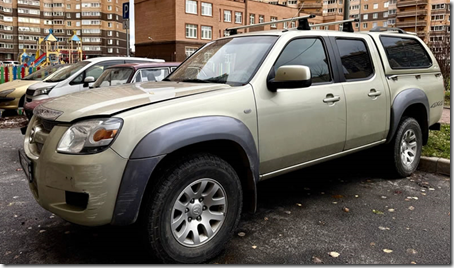
In the world of pickup trucks, few vehicles have earned a reputation for rugged, no-nonsense reliability quite like the first-generation Mazda BT-50. Sharing its core DNA with the Ford Ranger of the same era, this truck was built for work and adventure, often in places far from a well-stocked service center.
This very nature makes it an ideal candidate for the DIY enthusiast. For those with grease under their fingernails and a desire to understand the machine they drive, maintaining and repairing a BT-50 isn’t just a chore—it’s a rewarding partnership with a truly capable vehicle.
The Heart of the Matter: Understanding the Drivetrain
The cornerstone of the BT-50’s reliability is its engine lineup, most notably the workhorse 2.5L and the more powerful 3.0L Duratorq turbodiesels.
These are not overly complex common-rail units by today’s standards; they are mechanical in spirit, built with a robustness that forgives minor oversights and rewards diligent care.
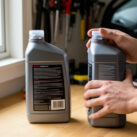
The most critical, and most rewarding, DIY task is the routine oil and filter change. For these engines, using a high-quality diesel-rated oil (like a 5W-30 or 10W-40 meeting the appropriate spec) is non-negotiable.
The process is straightforward: locate the drain plug beneath the sump, drain the old oil, and replace the cartridge-style oil filter, usually mounted on the top or side of the engine block for easy access. This simple act, performed every 10,000 km or sooner under harsh conditions, is the single most important factor in ensuring these engines reach astronomical mileages.
Another common maintenance item, particularly as the truck ages, is the fuel filter.
A clogged filter on a diesel leads to poor performance, hesitation, and hard starting. The BT-50’s fuel filter housing is typically located in the engine bay. Replacing it involves bleeding the system, which can often be done with a simple manual pump bulb or by cranking the ignition a few times without starting to prime the system. It’s a task that sounds daunting but is well within the reach of a careful home mechanic following a service manual.
Confronting Common Age-Related Ailments
A vehicle of this age will inevitably present some challenges.
The good news is that the community of BT-50 and Ranger owners is vast, and solutions are well-documented.
- Injector Seat Sealing Issues: A classic symptom is a difficult cold start and a diesel knock that disappears once the engine warms up. This is often caused by worn copper seals on the fuel injectors.
Replacing these seals requires care and a torque wrench to ensure the injectors are reinstalled correctly, but it avoids the massive cost of a dealership repair.
- Suspension and Steering Wear: As a workhorse, the BT-50’s suspension takes a beating. Replacing worn shock absorbers, ball joints, and tie rod ends is a physically demanding but technically simple job.
It requires jack stands, the correct sockets, and a ball joint separator tool. The transformation in ride quality and handling after such a refresh is immediately noticeable and deeply satisfying.
- Manual Transmission and Transfer Case Fluids: These are often the «forgotten fluids.» Draining and refilling the manual gearbox and transfer case with the specified lubricants is a simple task that can prevent costly synchro and gear wear down the line.
The differentials should also be part of this fluid rotation.
Knowing Your Limits: When to Call for Backup
The practical nature of the BT-50 encourages DIY spirit, but wisdom lies in knowing when a task exceeds a home garage’s capabilities.
- Automatic Transmission Service: While a fluid and filter change on the automatic transmission is possible, it requires specific procedures to check fluid levels correctly. Missteps can lead to irreparable damage.
For a full flush, professional equipment is often recommended.
- Advanced Turbocharger Issues: While checking and replacing intercooler hoses for leaks is easy, internal turbocharger failure requires specialized knowledge and should be approached with extreme caution.
- Complex Electrical Diagnostics: While the BT-50’s electrical system is relatively simple compared to modern trucks, tracing parasitic drains or diagnosing intermittent ECU-related faults can be a time-consuming puzzle that may require a professional diagnostic scanner.
The DIY Philosophy: Empowerment and Practicality
Working on a first-generation Mazda BT-50 is more than just maintenance; it’s an exercise in practical engineering. The engine bay is generally uncluttered, components are sized for durability rather than microscopic packaging, and a wealth of knowledge exists in online forums.
Sourcing parts is generally easy and affordable.
For the owner who is willing to invest in a good set of tools, a service manual, and their own time, the BT-50 repays the effort with unwavering service. It’s a truck that doesn’t hide its secrets.
A faint whine from the timing belt area is a call to inspect the pulleys. A slight shudder under braking is a clear message that the rotors need turning. Learning to speak this mechanical language fosters a unique confidence. You’re no longer just a driver; you’re a pilot and a mechanic, intimately aware of every rumble and hum from the trusted machine that carries you through work and adventure.